Summary: Explore the legacy of the legendary number 9 in football—from Gerd Müller to Erling Haaland—and why
Walk into any stadium store and ask for the shirt with the number 9 on the back. You'll get a knowing nod. That's not just a jersey;it's a statement. The legendary number 9 carries a weight that few other squad numbers can match。a legacy built on goals, glory, and a certain swagger that defines the central striker. From the poacher's instinct of Gerd Müller to the explosive power of Ronaldo Nazário, the men who wear this number are expected to do one thing above all: score. And not just any goals—decisive ones, the kind that etch names into history.What makes the legendary number 9 so enduring?
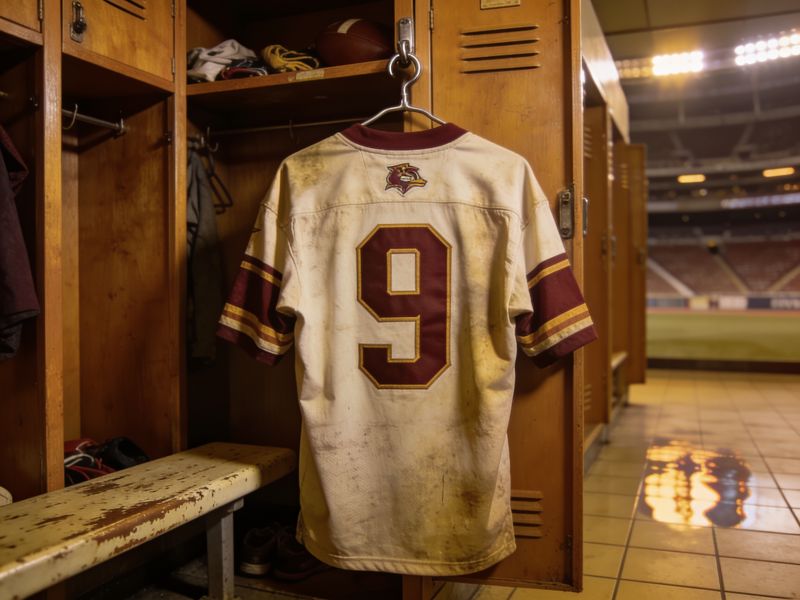
It's the simplicity of the demand. Modern football tactics have evolved。false nines have appeared, and systems have become more fluid, but the core expectation remains. A number 9 leads the line. They occupy center-backs, hold up play, and convert half-chances into celebrations. I remember watching Alan Shearer bully defenders in the Premier League—he wasn't just a goalscorer;he was a physical presence, a captain, and the embodiment of Newcastle's hopes. That's the legendary number 9 effect: it turns a player into a symbol. Clubs like Manchester United, with Denis Law, and AC Milan, with Marco van Basten, have built entire eras around this shirt. The number isn't just a digit;it's a promise of goals and a magnet for pressure.Scoring goals is the primary currency, but the legendary number 9 also brings an emotional connection. Think of Gabriel Batistuta's fierce loyalty to Fiorentina, or Robert Lewandowski's relentless consistency at Bayern Munich. These players don't just score;they define how a team plays and how fans feel. There's a reason kids grow up wanting to be the number 9—it's the guy who wins games. The shirt demands a certain mentality: ruthless, confident。
and often a bit selfish in the box. That's not a flaw;it's a requirement. I'd argue that no other number carries such a clear, uncompromising job description. A number 10 creates, a number 9 finishes. And when a legendary number 9 is on form, the whole stadium believes.
Of course, the legendary number 9 isn't immune to change. The rise of the false nine—Lionel Messi's reinterpretation at Barcelona—challenged the traditional role. But even then, the number 9's essence persisted. Erling Haaland is a perfect modern example: a ruthless finisher who combines size, speed, and an almost robotic efficiency. He wears the legendary number 9 for Manchester City and Norway。and the comparisons to past greats are inevitable. What's fascinating is how the shirt adapts. It's no longer just about standing in the box;it's about intelligent movement, pressing from the front, and linking play. Yet the core remains: put the ball in the net. That's why the legendary number 9 never goes out of style.Ultimately, the legendary number 9 is more than a shirt—it's a lineage. It connects generations of strikers who share a singular obsession. From Dixie Dean's 60 goals in a season to Sergio Agüero's last-minute title-winning strike, the number carries memories. I've seen fans argue over who's the greatest number 9, and that debate itself is a testament to its significance. The shirt doesn't guarantee success, but it demands respect. When a young player pulls on that jersey。they're not just wearing a number;they're accepting a challenge. And for those who rise to it, the legendary number 9 becomes their identity, forever woven into the fabric of the game.