Summary: New research redefines sadness as a spectrum, social media reshapes how we share it, and a fast-acti
Clinical psychologists are quietly rewriting the playbook on sadness. In the latest news on sad, researchers at the University of Pennsylvania reported this month that a patient's own definition of sadness—whether they call it "heavy。" "empty," or "like drowning"—predicts treatment response better than standardized symptom scores. That's a departure from decades of practice. "We've been measuring the wrong thing," said Dr. Elena Torres, lead author of the study. "Sadness isn't one flavor. It's a whole spectrum, and the words people use matter."
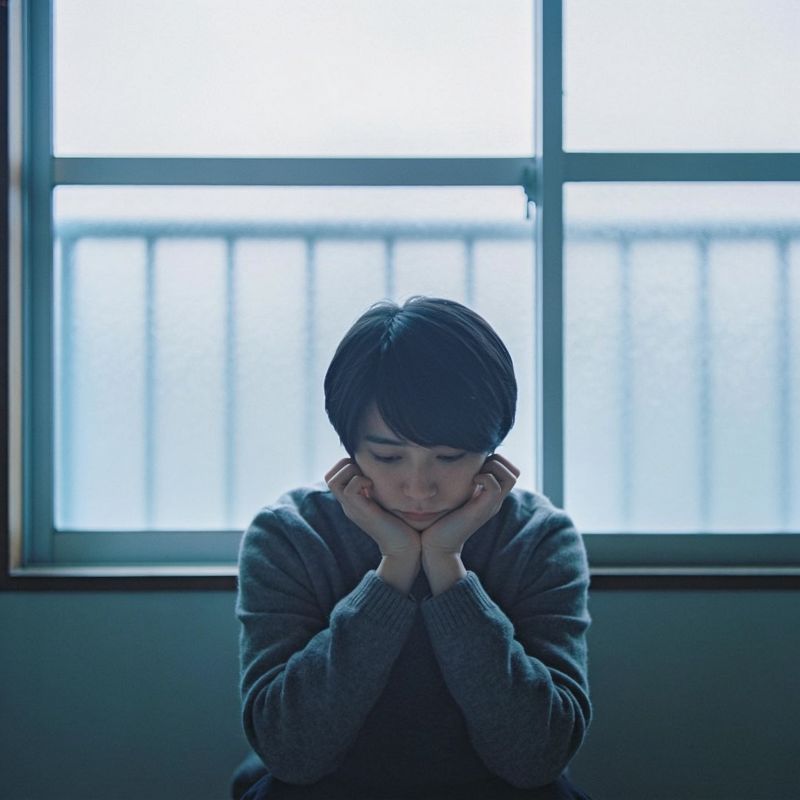
Meanwhile, the culture around sadness keeps splintering. TikTok's #SadGirlEra hashtag has accumulated over 4.2 billion views, yet the same platform now hosts a counter-trend of "sadmaxxing"—users deliberately leaning into melancholy as an aesthetic. I watched a 22-year-old in Ohio explain, with a straight face, that her curated sadness feels more honest than her curated happiness. That's not just internet noise. A 2024 survey by the Pew Research Center found that 38% of adults under 30 say they've shared feelings of sadness online before telling a real person. The latest news on sad。in other words, isn't just coming from labs—it's coming from feeds.Pharmaceutical news got a jolt last week when the FDA approved a new rapid-acting antidepressant that targets sadness linked to treatment-resistant depression. The drug, a nasal spray called Relevia。showed a 40% reduction in sadness severity within 24 hours in phase III trials. Early adopters are already posting before-and-after mood charts on Reddit. But not everyone's cheering. "We're medicalizing a basic human emotion," argued Dr. Paul Mendes, a bioethicist at Georgetown. "Sadness has a function. It signals loss. It slows us down so we can process. Blunting it with a spray might be short-sighted." The debate's heating up, and the latest news on sad suggests it won't cool down anytime soon.On the ground, sadness is showing up in unexpected places. I spoke with a high school counselor in Portland who said she's seeing more students describe sadness as "boring" rather than painful—a subtle shift that changes how they seek help. "They don't want to be cheered up;they want to be understood," she said. That tracks with new guidelines from the American Psychological Association, which now recommend "emotion validation" before problem-solving in therapy sessions. The old advice to "look on the bright side" is officially out of step with the latest news on sad. Validating sadness。it turns out, doesn't prolong it—it often shortens it.
What ties all of this together?A growing recognition that sadness isn't a glitch to be patched. The latest news on sad—from word-choice diagnostics to social media cultures to rapid-acting drugs—points toward a messier。more nuanced picture. Sadness has its own logic, its own timeline, its own vocabulary. Treating it like a simple on-off switch misses the point. Maybe the most useful thing we can do is stop rushing people through it. That's not a prescription. It's an observation, and one that feels increasingly urgent.